
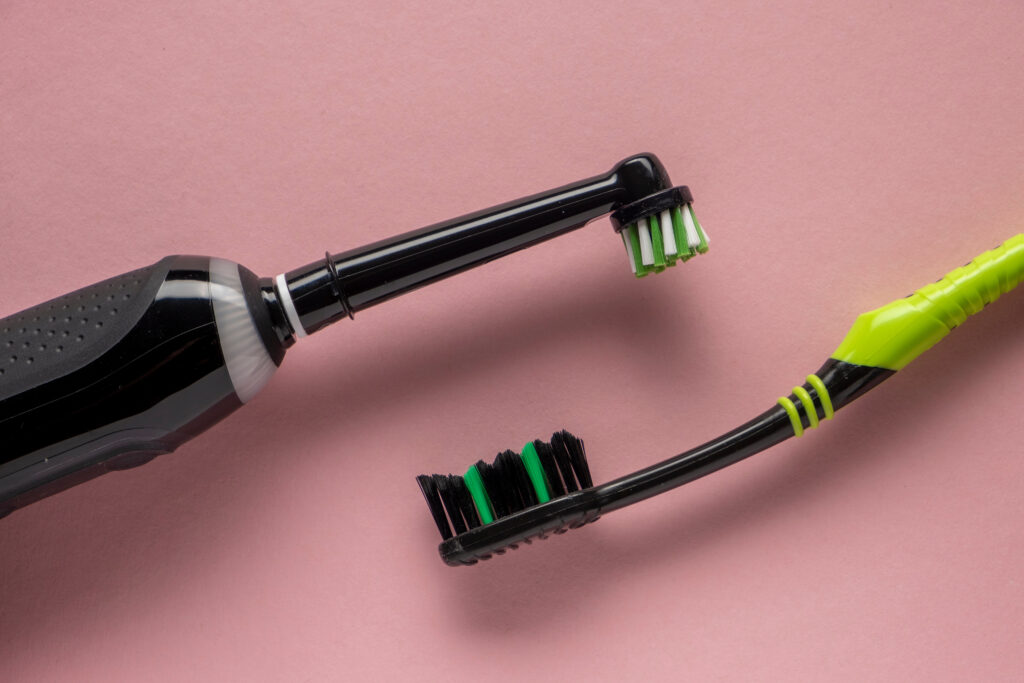
Do You Really Need an Electric Toothbrush?
Many patients wonder whether an electric toothbrush is truly better than a manual one. With so many options available, it can be difficult to know which type is best for your oral health. Some patients switch after a hygienist recommendation, while others are simply curious if an electric brush offers better results.
The good news is that both electric and manual toothbrushes can be effective when used properly. The key is understanding how each type works and which option best fits your brushing habits and oral health needs.
How Manual Toothbrushes Perform
Manual toothbrushes have been used effectively for decades. When used with proper brushing technique, they can remove plaque and help maintain healthy teeth and gums. Dentists typically recommend brushing for at least two minutes using gentle circular motions with a soft-bristled toothbrush.
One of the advantages of manual toothbrushes is their affordability and accessibility. They are widely available and easy to replace regularly.
However, their effectiveness depends heavily on technique and consistency. Brushing too aggressively can irritate gums and wear down enamel, while brushing too quickly may leave plaque behind. For patients who maintain excellent technique and take the time to brush thoroughly, manual toothbrushes can provide effective daily oral care.
Benefits of Electric Toothbrushes
Electric toothbrushes offer several features designed to improve brushing consistency and plaque removal. Many models use oscillating or sonic motion that can help clean teeth more efficiently than manual brushing alone.
Built-in timers help ensure that brushing lasts the full two minutes recommended by dental professionals. Some electric toothbrushes also include pressure sensors that alert you when you are brushing too hard, which can help protect enamel and reduce gum irritation.
Electric toothbrushes can be especially helpful for certain patients. Children may find them easier and more engaging to use. Individuals wearing braces or other orthodontic appliances may benefit from the additional cleaning motion. Patients with limited hand dexterity, including seniors or those with arthritis, often find electric brushes easier to handle.
For many people, these features make maintaining a consistent and effective brushing routine easier.
Which Option Is Right for You?
Choosing between an electric and manual toothbrush depends on your individual oral health needs and personal preferences. Patients who struggle to maintain consistent brushing technique or who experience gum sensitivity may benefit from switching to an electric toothbrush.

On the other hand, patients who brush carefully and consistently with a manual toothbrush may already be achieving excellent results. Ultimately, the most important factor is brushing thoroughly twice each day using a soft-bristled toothbrush and fluoride toothpaste. Regular dental visits also play an important role in maintaining healthy teeth and gums.
Personalized Advice for Your Oral Care
At Absolute Dentistry, we help patients evaluate their brushing habits during routine visits and offer personalized recommendations based on gum health, dental restorations, and overall oral hygiene.
If you have questions about your brushing routine or would like guidance on choosing the right toothbrush, contact Absolute Dentistry in Okotoks to schedule your next visit.